


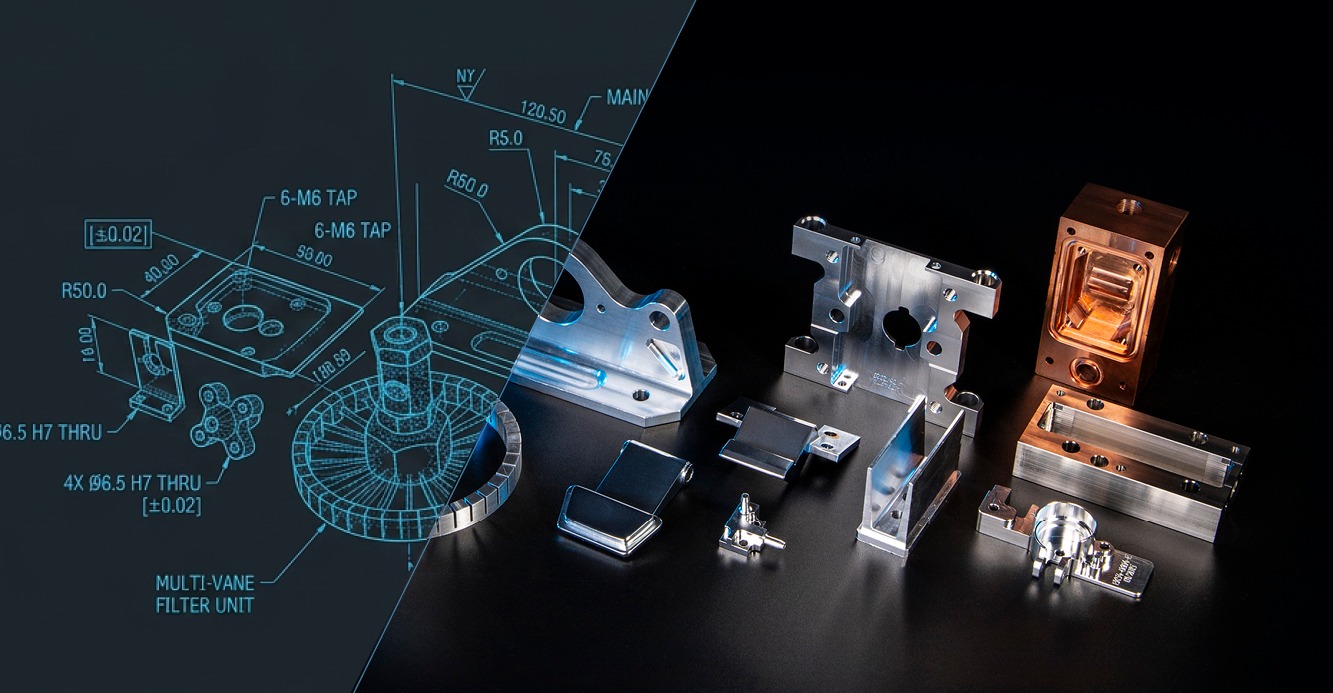
Bringing a new component to market is rarely straightforward. Designs evolve, tolerances tighten, and production demands increase as a project moves from concept through to full-scale manufacture.
For design engineers, procurement professionals and OEMs, one of the biggest challenges is finding a manufacturing partner capable of supporting every stage of that journey. Too often, businesses use one supplier for prototype machining and another for production, introducing unnecessary delays, quality risks and additional costs.
CNC prototyping to production machining is the process of taking a component from initial design and prototype development through to full-scale manufacture using the same engineering partner. This approach reduces lead times, improves quality consistency, simplifies supply chains and helps manufacturers bring products to market faster.
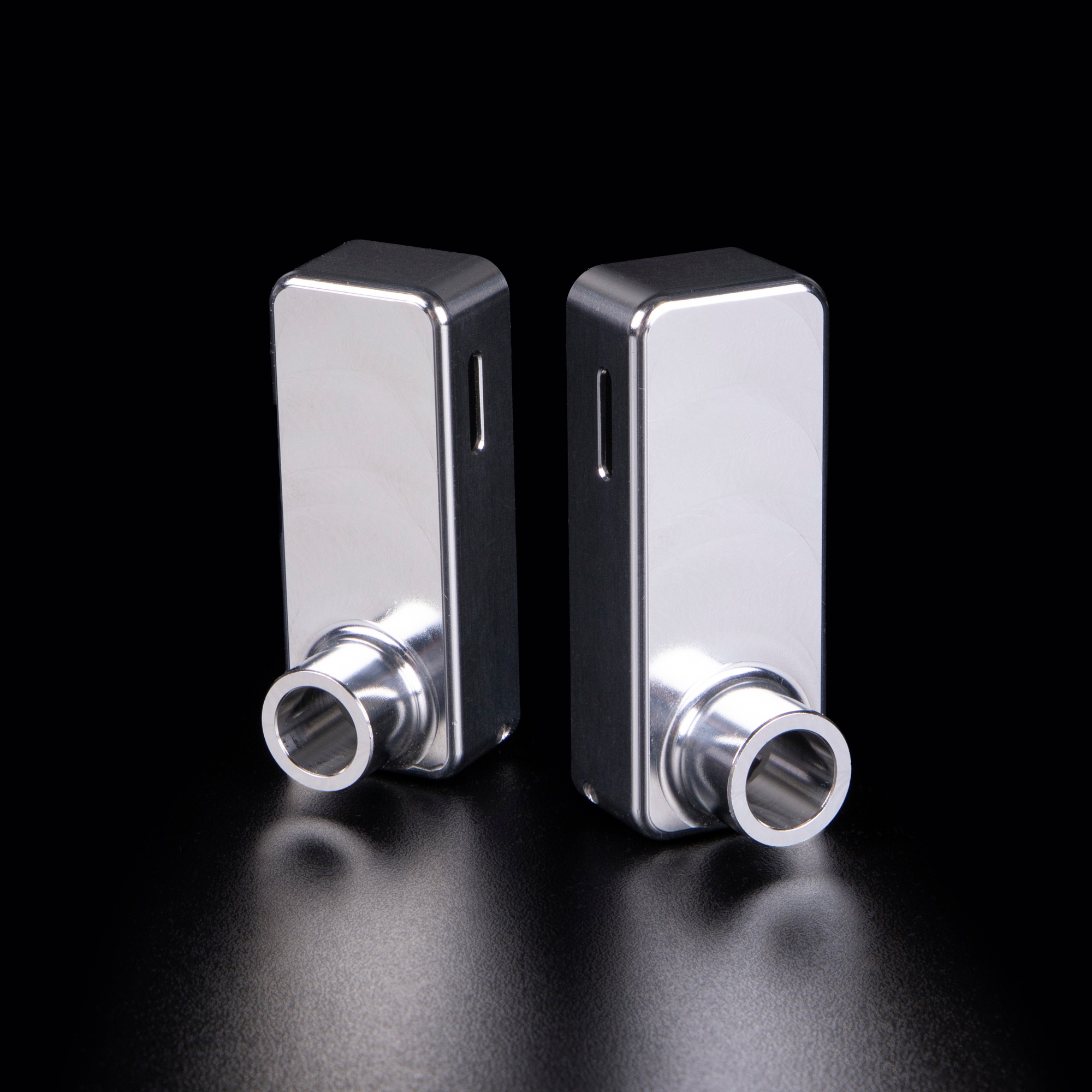
At Technoturn, we provide a seamless route from prototype machining to volume production, combining advanced CNC milling and turning capabilities with decades of precision engineering expertise.
Whether you require a single development component or thousands of production parts, our team delivers consistency, quality and reliability at every stage.
Explore our full range of CNC machining services and discover how we can support your next project.
The transition from prototype to production is where many projects encounter challenges.
A component that performs perfectly as a one-off prototype may require design modifications to improve manufacturability, reduce cycle times or achieve cost targets when scaled into production. Industry discussions frequently highlight issues such as tooling wear, fixturing challenges and tolerance consistency emerging as volumes increase.
Working with a single precision engineering partner from the outset helps eliminate these risks.
At Technoturn, our engineers work closely with customers during the prototype stage, applying Design for Manufacture (DFM) principles to ensure components can be produced efficiently at higher volumes without compromising performance.
The result is a smoother transition to production, reduced lead times and lower overall manufacturing costs. Talk to our engineering team about your next prototype project.
Successful prototype and production machining requires access to the right technology.
As a leading provider of CNC machining services in the UK, Technoturn combines extensive CNC milling and turning capabilities within a single facility. Our investment in advanced manufacturing technology enables us to machine complex components with exceptional accuracy and repeatability.
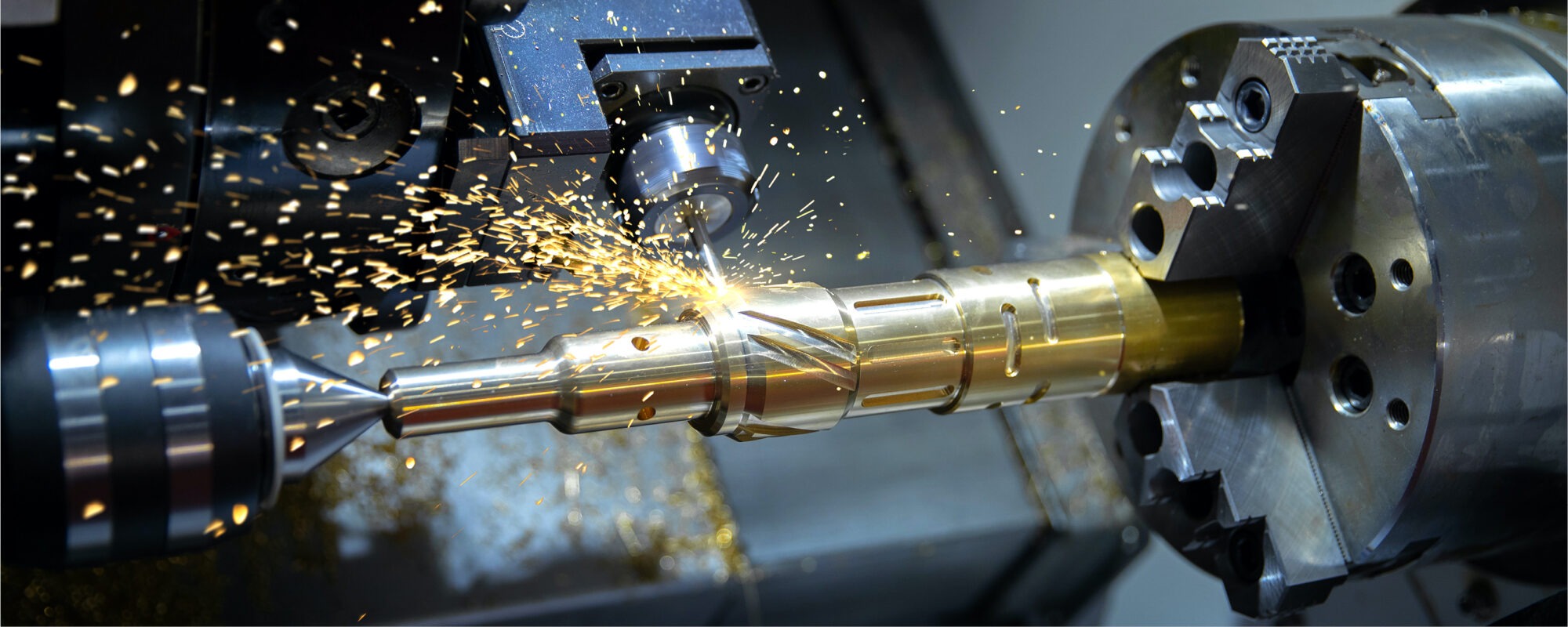
As an experienced turned parts manufacturer, Technoturn operates a wide range of fixed head and sliding head CNC lathes capable of producing components from small, intricate parts through to larger, more demanding applications. Multi-axis turning technology allows complete machining in a single operation, reducing handling, improving consistency and shortening lead times.
Whether your project requires prototype quantities or ongoing production schedules, our CNC turning capabilities deliver exceptional precision and repeatability. Learn more about our precision turned components services.
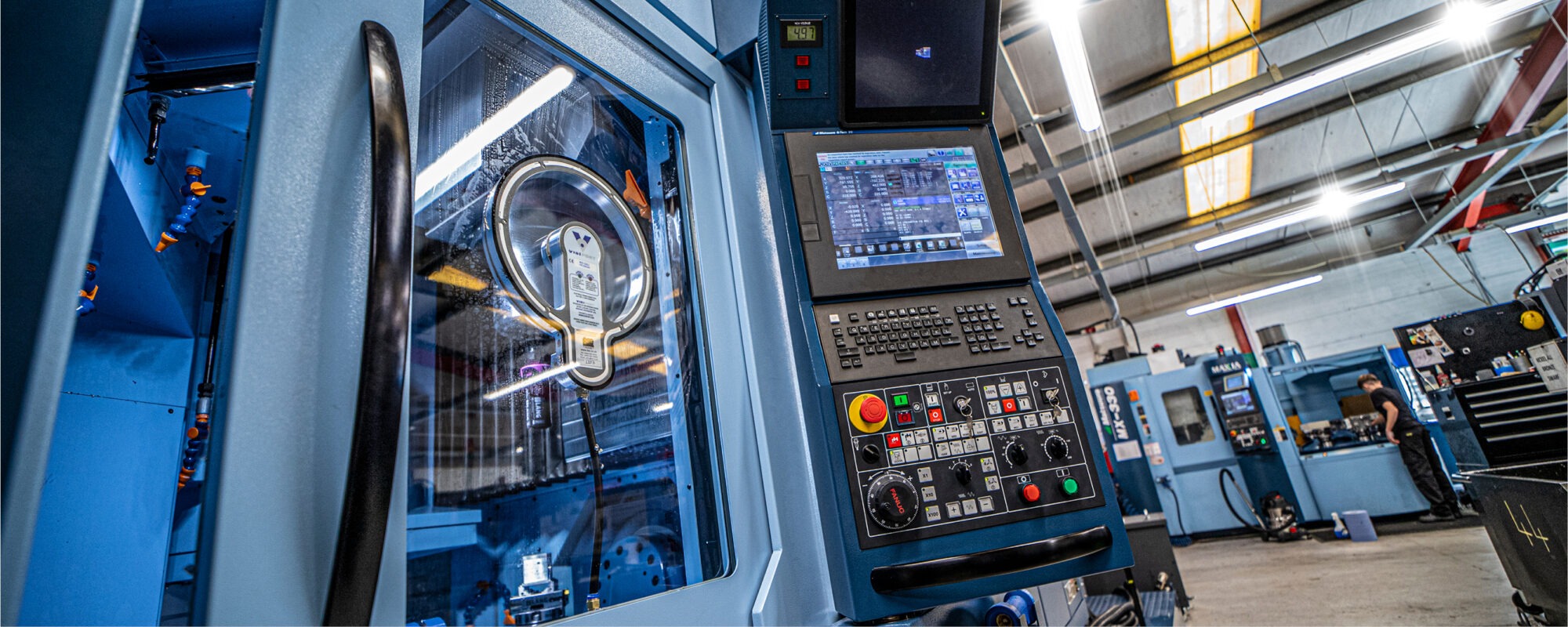
Modern products increasingly require complex geometries, tight tolerances and demanding surface finishes.
Our CNC milling department features advanced 3, 4 and 5-axis machining centres capable of producing everything from simple machined plates to highly complex aerospace and medical components. These capabilities allow us to manufacture intricate features efficiently while maintaining outstanding dimensional accuracy.
The ability to combine CNC milling and turning services within a single manufacturing partner simplifies supply chains and improves project management throughout the product life cycle. Discover our CNC milled components capabilities.
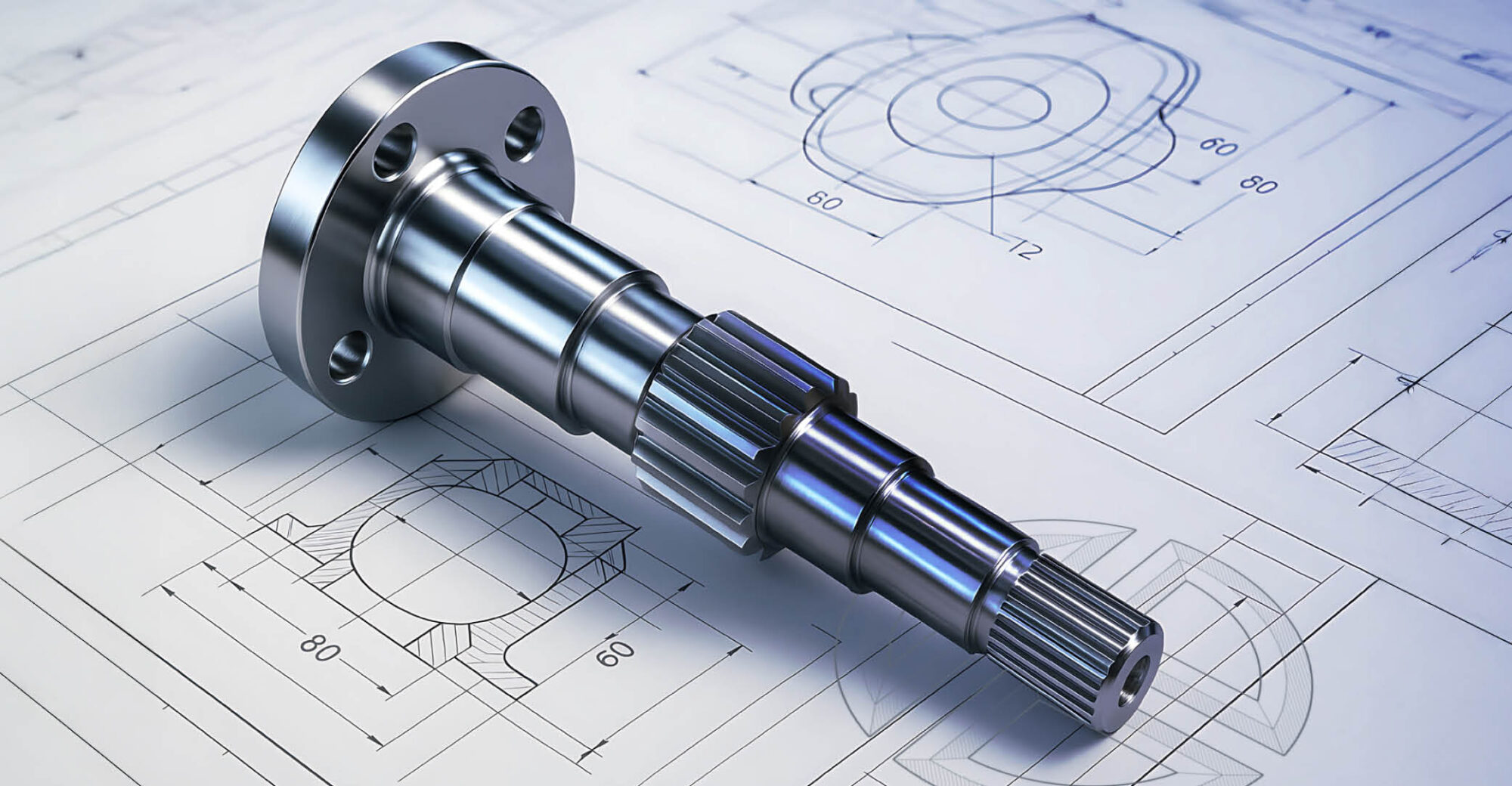
Many companies view prototype machining as simply producing a physical sample for testing.
The prototype stage is where critical manufacturing decisions are made.
By identifying potential issues early, we help customers avoid expensive design changes later in the development cycle. This proactive approach enables a faster and more cost-effective route to production.
At Technoturn, prototype machining provides an opportunity to:
One of the biggest advantages of working with Technoturn is continuity.
When a project moves into production, the same manufacturing knowledge, quality controls and machining expertise remain in place. There is no need to transfer drawings, explain requirements to a new supplier or revalidate manufacturing processes. Our extensive range of CNC milling and turning equipment enables us to scale production efficiently while maintaining the same levels of quality and traceability established during prototype development.
This approach helps customers achieve:
Technoturn supports customers operating in some of the world’s most demanding sectors. Our precision machining expertise is trusted by organisations working across:

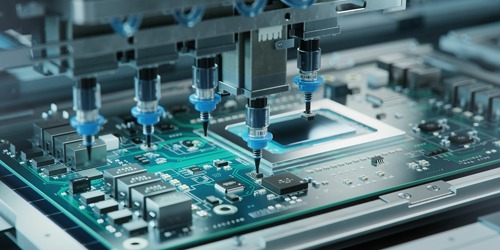


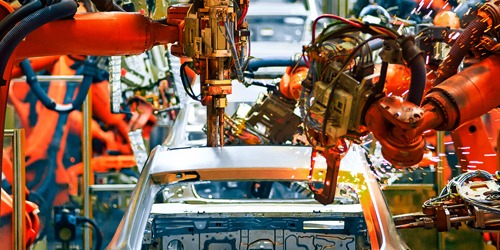
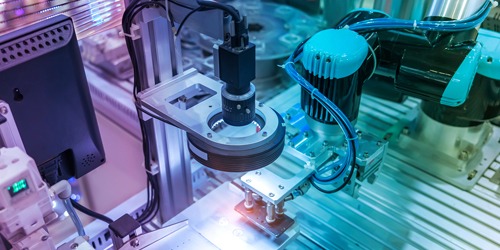
Backed by AS9100 quality standards, every component is manufactured with a focus on precision, reliability and repeatability. When performance matters, manufacturers need confidence in every part produced.
Choosing the right manufacturing partner at the beginning of a project can save significant time, cost and complexity later.
At Technoturn, we help customers move seamlessly from prototype machining to full-scale production using advanced CNC milling and turning technology, experienced engineers and robust quality systems.
Whether you are developing a new product, refining an existing design or searching for a reliable UK manufacturing partner, we are ready to help.
Speak to our team today to discover how Technoturn can support your journey from prototype to production.
Prototype machining is the process of manufacturing a small number of components, often one-off or low-volume parts, to test a design before full-scale production begins. Using advanced CNC milling and turning technologies, prototype machining allows engineers to verify dimensions, functionality, material suitability and performance before committing to larger production runs.
CNC milling removes material using rotating cutting tools while the workpiece remains stationary or moves along multiple axes. It is ideal for creating complex shapes, pockets, slots and intricate geometries.
CNC turning, on the other hand, rotates the workpiece while stationary cutting tools remove material. This process is particularly effective for producing cylindrical or rotationally symmetrical components.
Using a single manufacturing partner throughout the product life cycle offers several advantages:
Faster transition from development to production
Improved consistency and quality control
Reduced lead times
Lower project management costs
Better design-for-manufacture support
Reduced supply chain complexity
Yes. Wherever possible, prototype components should be produced using the same or similar manufacturing methods planned for production.
This approach allows engineers to identify potential manufacturing challenges early, helping to reduce risk and avoid costly redesigns later in the development process.
Our experienced engineering team provides Design for Manufacture (DFM) support to help optimise components for both performance and manufacturability.
Technoturn supports everything from single prototype components and small batch production through to high-volume manufacturing programmes.
With extensive CNC milling and turning capacity, automated machining technology and robust quality systems, we can scale production to meet changing customer requirements while maintaining consistent quality and traceability.
CNC prototyping and production machining are widely used across:
Aerospace
Defence
Medical
Electronics
Energy
Industrial Manufacturing
Scientific Instrumentation
Automotive and Motorsport
These sectors often require complex, high-precision components where quality, repeatability and reliability are critical.
Design for Manufacture involves reviewing a component during the development stage to identify opportunities to simplify machining operations, reduce costs and improve production efficiency.
Early DFM input can help:
Reduce machining cycle times
Improve component consistency
Minimise material waste
Simplify assembly processes
Lower overall manufacturing costs
If you would like to find out more about any of our services, please fill out the form below and a member of our team will get back to you shortly.